
Dr. Garima Tiwari, Associate Professor of Law, National Law University Delhi
Himani Jha, Research Associate, National Law University Delhi
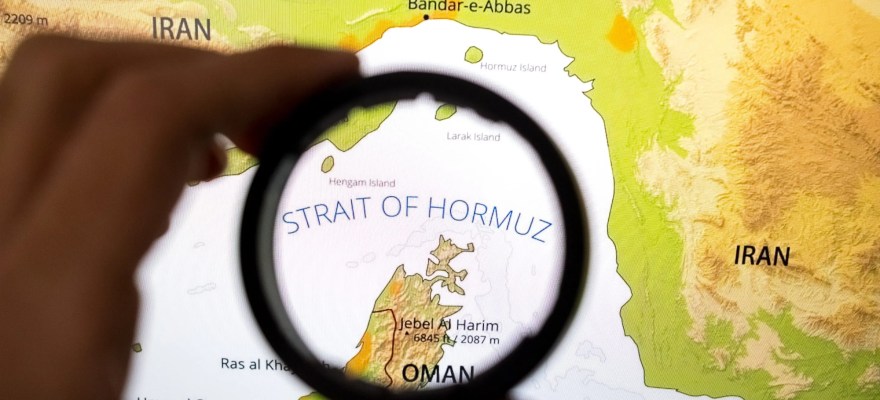
Over the past two months, a series of attacks on commercial vessels in and around the Strait of Hormuz has killed and injured Indian seafarers, forced crews to abandon ships, and repeatedly disrupted one of the world’s most important shipping routes. The vessels involved, from MT Marivex, MT Settebello and MT Jalveer to GFS Galaxy, MT Al Bahiyah and MT Mombasa, were different; so were the circumstances and also the parties alleged to be responsible. What connects them is the growing exposure of civilian seafarers to a conflict in which they have no part. Among these was the attack on MT Settebello, in which three Indian seafarers were reportedly killed in June. While U.S. officials have maintained that the vessel failed to comply with instructions issued during blockade operations, the ship’s operators dispute that account, leaving the precise circumstances of the strike unresolved. Beyond endangering seafarers, disruptions in the Strait threaten the movement of energy supplies and other essential cargo. These developments raise a broader question: what protections does international law provide to civilian mariners caught amid expanding hostilities at sea?
Continue reading

